
Real advice for when things get tough
What to do about bullying, peer pressure, and looking out for your mates — grounded in the Friendly Schools research with Australian students.
Advice and learning
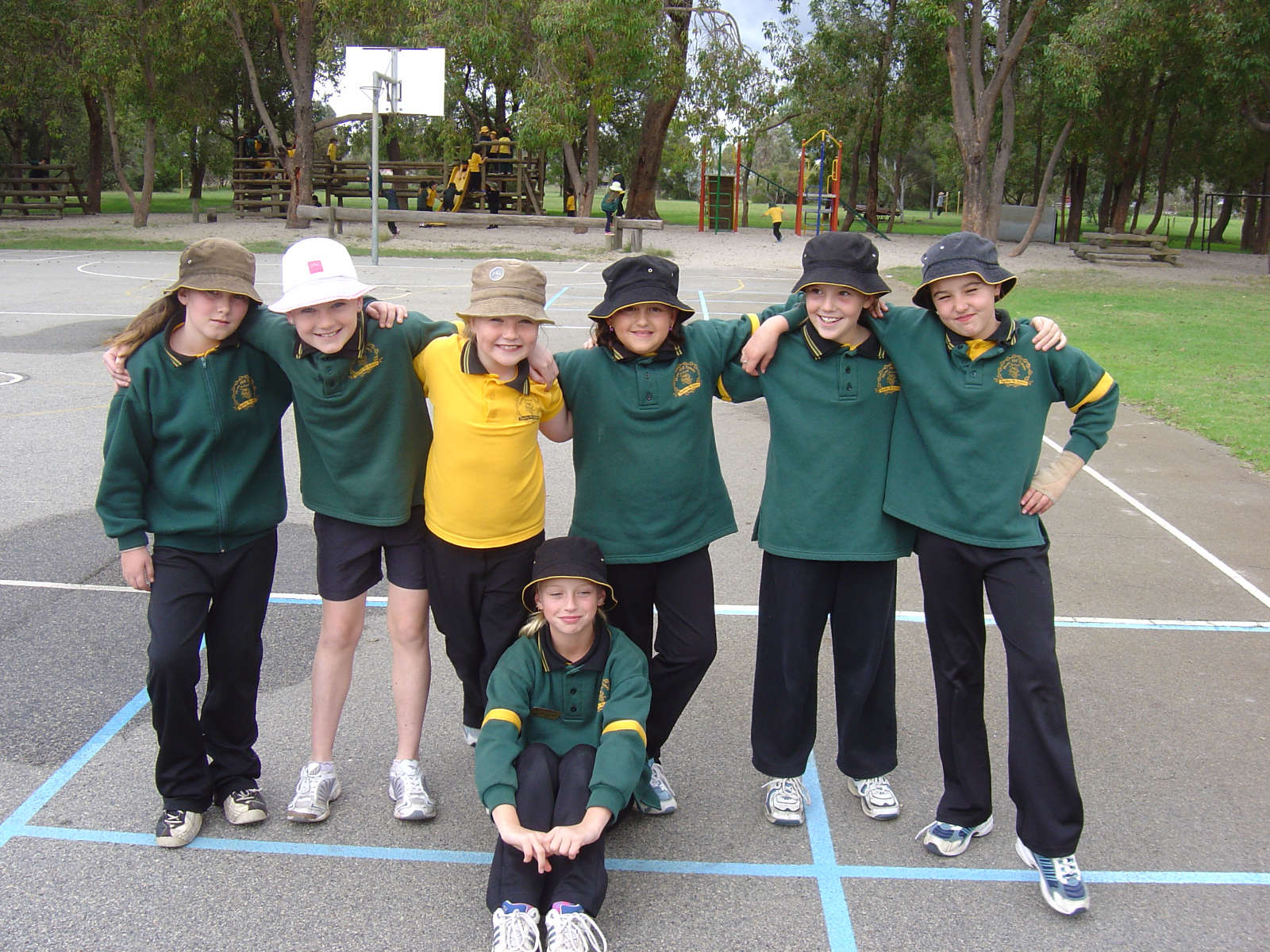
Most kids don't bully — but many kids are affected by bullying during their school years. Even if you're not being bullied yourself, you'll probably see or know about someone who is.
School is mostly fun, but it can be tough when there are friendship or bullying problems. This page is for you — whether you're going through something now, helping a friend, or just want to know what to do if it happens.
- If you are being bullied, or know of someone who is, there are things you can do to stop it.
- If you want to help reduce bullying in your school, you'll find advice here too.
This page is written for two age groups
The advice below works for both, but here’s what to focus on first depending on where you’re at.
If you’re in primary school
Friendships and what’s “fair” can change really fast at this age. Start with the basics.
- What bullying is (and what it isn’t)
- What to do if it’s happening to you
- How to be a good friend when someone else is having a hard time
If you’re in high school
Group dynamics, online stuff, and peer pressure get more complicated. The trickier sections matter more for you.
- What to do when the person bullying you is in your friend group
- Saying “no” to friends without losing them
- Being a supporter when no adult is watching
What bullying is — and why it happens
The four features that make a behaviour bullying, the seven forms it can take, and why some people do it.
What is bullying?
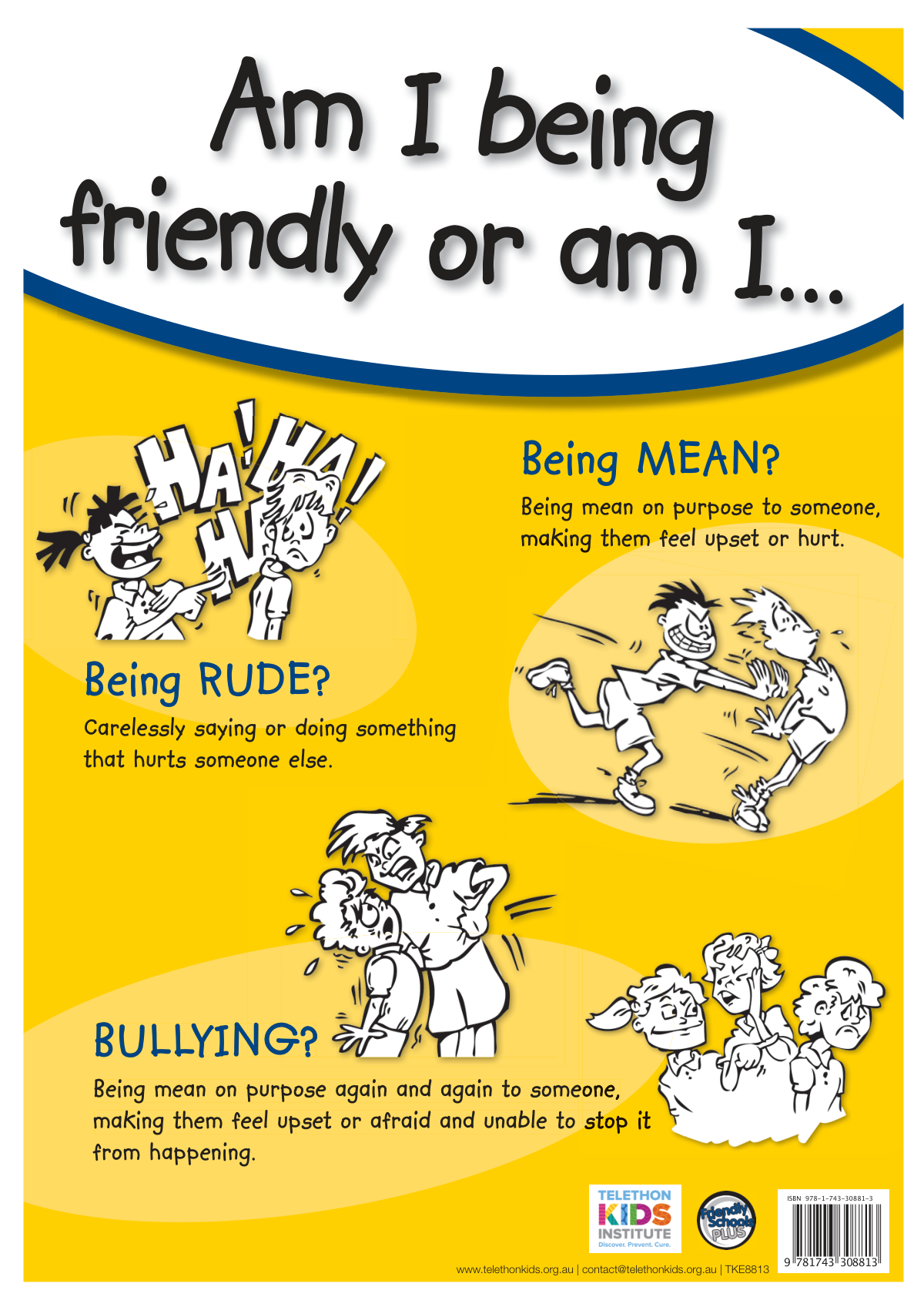
Four features make a behaviour bullying:
It keeps happening again and again — not a one-off.
The person means to cause fear, distress, or harm.
The person bullying has more power in the situation.
You feel you can't make it stop on your own.
Seven behaviours to watch for
Any of these can be bullying if they happen repeatedly, on purpose, and you can't stop them. Naming what's happening is the first step to stopping it.
Verbal
Cruel teasing, name-calling, being made fun of in a hurtful way.
Cyberbullying
Mean or hurtful messages sent online or via mobile phone.
Property abuse
Having your money or things broken, taken, or stolen.
Exclusion
Being deliberately left out or not allowed to join in.
Emotional
Lies or rumours spread to make other kids not like you.
Physical
Being hit, kicked, punched, or pushed around.
Threatening
Being made afraid of getting hurt, embarrassed, or upset.
What you can do
Naming it is the first step. Tell someone you trust. Ask for help.
Why does bullying happen?
Knowing why people bully, why some get bullied, and why most young people don't bully at all can help you make sense of what you're seeing and choose what to do next.
Why some people bully
- They feel a sense of power or strength
- They're trying to be popular or impress others
- They're worried about being left out
- They feel insecure and try to dominate to hide it
- They're unhappy and take it out on others
- They're being bullied themselves
Why some people get bullied
- The person bullying thinks they can have power over them
- Sometimes they pick on someone who is alone or struggles to stand up for themselves
- Sometimes they pick on people they're jealous of — clever or popular kids
- Sometimes there's no reason at all — wrong place, wrong time
Whatever the reason, it's never okay — and it's always okay to ask for help.
Why most kids don't bully
- They've built good social skills and can make friends without it
- They think bullying is wrong
- They feel good about themselves and don't need to
- They're busy with activities they enjoy
- They have strong, positive friendship groups
Telling someone is the first step that changes things
Practical steps you can take. What to do if the person bullying you is in your friend group. And the honest self-check that asks: am I doing this to someone else?
Practical steps you can take
The most important thing to know: asking for help is always the right thing to do. You don't have to deal with this on your own.
💬 Face-to-face bullying
When it's happening and you feel you can't stop it:
- Stay calm. Try not to get upset or angry — that's probably what they want.
- Don't fight back. It can make things worse, get you hurt, or get you blamed.
- Get away fast. Calmly turn and walk away from the situation.
- If they try to block you, be firm. Look them in the eye and tell them to stop.
- Tell a trusted adult what happened straight away.
- Talk to a friend you trust — ask for advice or just talk about how you feel.
📱 Cyberbullying
Ways to cope if it's happening online:
- Don't respond. They want to see you're upset — give them nothing.
- Talk to a trusted adult — don't keep it to yourself.
- Keep the evidence. Save screenshots, messages, comments. Give them to someone you trust.
- Block the person on every platform — and keep blocking if they try again.
- Consider deleting your account and starting fresh with a small list of trusted friends.
- Report to the platform. Most sites have a report button.
- Escalate if needed. If you feel threatened, get help from the eSafety Commissioner or police.
What if the person bullying me is in my group?
This can be especially hard. But remember: in most group situations there's usually one person driving the bullying, and getting others to join in or do it for them.
Speak to someone you trust. Talk through some ideas and assess the friendship honestly.
Ask yourself:
- Are these people really my friends?
- Is one person creating the drama?
- Are all the people in the group really involved — or are some just going along with it?
- Are some of them only joining in because they're being pressured or scared themselves?
- Would it be better to take a break from them and mix with other people for a while?
"Sometimes, friends can be harsh and not even realise it — but if they don't stop after you talk to them, I personally wouldn't call them friends."
— Year 10 student
An honest self-check
Sometimes we get involved in bullying without meaning to — starting as a joke, or copying what others do. Being honest with yourself is the first step. Ask yourself these seven questions:
Seven questions to ask yourself
- Are my actions or words hurting someone else's feelings?
- Are my actions hurting someone physically?
- Are my actions or words making someone afraid?
- Am I trying to control someone else?
- Am I unfairly taking out anger or frustration on someone?
- Would I be okay with someone doing this to me?
- How would I feel if someone did this to me again and again?
"I look back at how I acted and feel really bad. I was that 'mean girl'. I caused so much drama because I was worried I wouldn't be popular. I'm so glad I grew out of that phase. I have awesome friends now who actually like me for me."
Peer pressure, saying no, and being someone who helps the person being bullied
How to not get pulled into bullying yourself. The difference between positive and negative peer pressure. And how to step in for someone who needs it — even when no adult is watching.
Tips for not getting into bullying
If you've realised you've been part of something, the best thing you can do is choose differently from now on. Here are six ideas:
- Think about it. Is it worth getting in trouble, hurting yourself or others, and turning people away from you?
- Put yourself in their shoes. How would you feel if someone kept treating you this way?
- Appreciate people's differences. Instead of picking on people for being different, ask them about it — you might learn something.
- Be a real leader. Instead of being noticed for being mean, earn respect by being kind.
- Talk to someone you trust about how you feel and what you've been doing. This can help you find better ways to deal with what's driving it.
- Join activities outside school — clubs, sports, teams — where you can meet new people and build social skills.
Positive vs negative peer pressure
Not all peer pressure is bad — but knowing the difference helps you choose how to respond.
👍 Positive peer pressure
Peers can influence each other in good ways — getting people involved in things they feel proud of, or that make them feel good. Peer support usually feels good because the group genuinely cares about you.
A good rule: if the pressure is to do something that seems right and doesn't hurt anyone, it's probably okay.
👎 Negative peer pressure
Peer pressure gets powerful when you feel you have to do something to fit in or be cool. Students who bully often try to get friends involved — sometimes asking them to do the bullying for them.
A good rule: if it makes you feel bad, it's probably bad for you.
Saying "no" to friends — and staying friends
The most common advice students gave in the Friendly Schools program:
"I still want to be friends, I just don't want to do that."
Politely refuse — don't yell
A simple, firm "No, I'm not interested" or "No, I don't want to be involved" is usually enough.
Don't over-explain
If they're doing something you really don't want to do, just say "I don't want to" and leave it at that.
Redirect the moment
Try "Let's go and play basketball instead" — make them think about something else.
Don't put yourself at risk
If things feel way out of control, quietly walk away and get help.
Think about your friendships
If someone keeps pressuring you and doesn't care how it makes you feel, ask yourself if they're really a friend.
Trust your gut
If something feels wrong, it probably is. You don't need another reason.
If you see someone being bullied
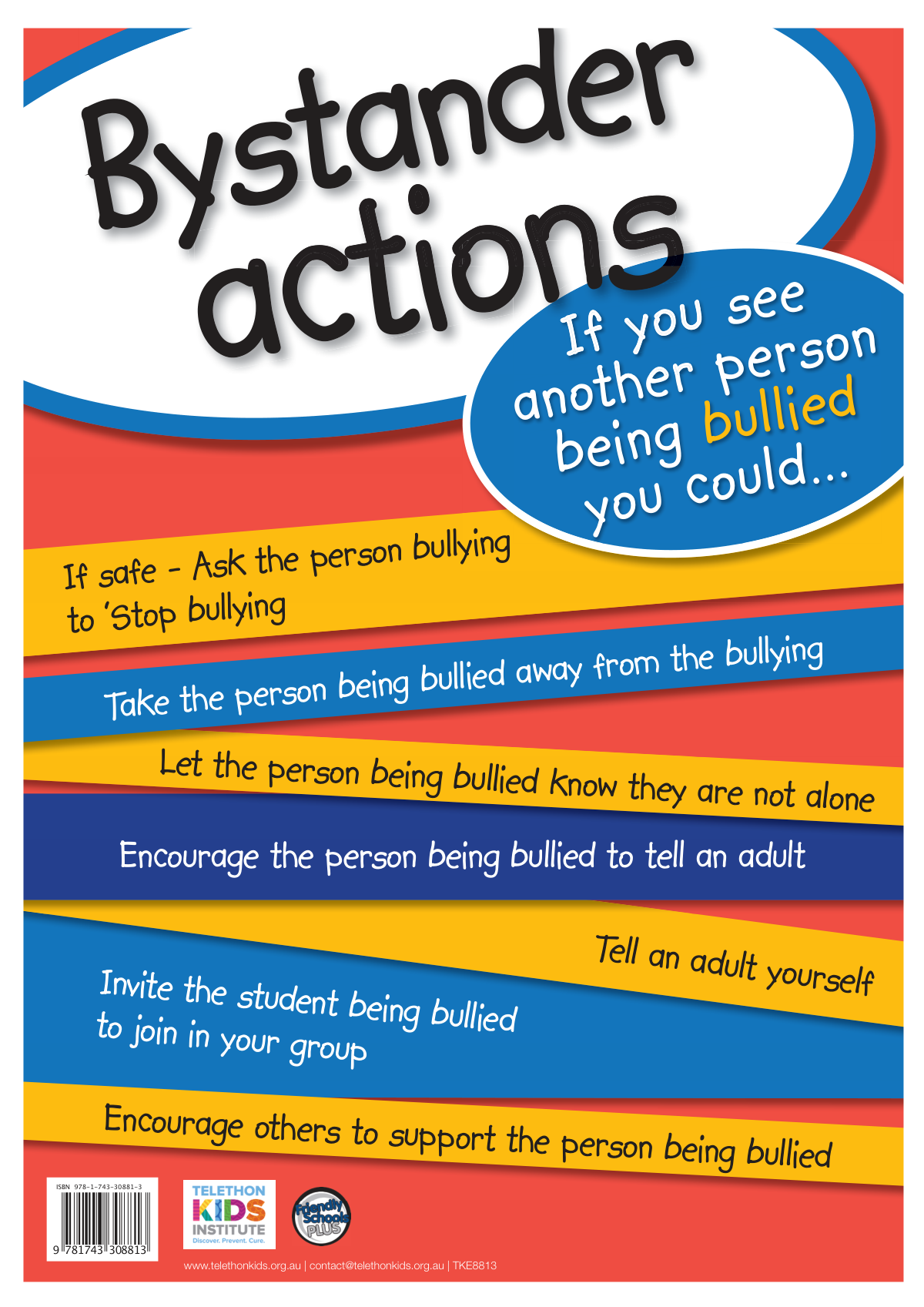
You don't have to confront the person bullying — there are lots of safer ways to help. The important thing is doing something, not nothing.
Stand up if it's safe
- Let the person bullying know what they're doing is bullying — and that it's wrong
- Refuse to join in, and walk away
- Ask a teacher or support person for help
Quieter actions that still help
- Encourage the person being bullied to talk to a trusted adult
- Listen to them — sometimes just being heard helps enormously
- Ask them to sit with your group at break — kids who are alone are more often targeted
- You can tell an adult without naming names — getting help for someone else is always okay
Safety-check questions before you act
- Is it safe?
- Is it fair to everyone involved?
- How does it make me feel? How does it make others feel?
- Does it solve the problem without creating more problems?
If the situation doesn't feel safe or you're not sure what to do, the best thing you can do is get help from a trusted adult.
Your wheel check-ins go straight to the people who can do something
If your school uses Friendly Schools, you might do a quick check-in each week using a tool called iyarn. A check-in is a wheel on your screen with a section for each part of school life, and you rate how each one is going for you right now. The patterns from your check-ins (no names, no shame) go to your wellbeing teachers, so they can see what’s working and what’s not, across the whole school. Real student voice. Real changes.
Become a Cyber Leader
Students create the safest and friendliest schools. As you get older, you rely more on peers for advice and support — so having the skills and knowledge to help your friends matters. Cyber Leaders is a student-led program from The Kids Research Institute Australia, designed with students for students.
You’re not meant to sort this out alone
Every service below is free, confidential, and Australian. They’re run by people whose whole job is helping young people with exactly what you’re dealing with. You don’t need to explain everything — just start.
Kids Helpline
Free, confidential 24/7 counselling for anyone aged 5-25. Phone, web chat, or email. You can call about anything at all.
kidshelpline.com.au →Lifeline
Free, confidential 24/7 crisis support and suicide prevention. For when things feel really bad and you need to talk to someone right now.
lifeline.org.au →headspace
Mental health support for young people aged 12-25. Phone, online chat, and free in-person centres across Australia.
headspace.org.au →eSafety Commissioner
Official Australian government body that can get serious cyberbullying content removed. Use the online reporting form.
Report cyberbullying →
Evidence-based wellbeing for Australian schools. Built on 25+ years of research at The Kids Research Institute Australia.
Friendly Schools acknowledges the Whadjuk Noongar people as the traditional custodians of the land on which our work began, and pays respect to Elders past and present.