Helping every Australian school build kinder classrooms.
Friendly Schools is the evidence-based whole-school wellbeing programme built on more than 25 years of Australian research, including at The Kids Research Institute Australia. Eight whole-school components, from classroom SEL and positive behaviour policies to family partnerships and student voice. All in one coherent plan your leadership team can run.
Already a Friendly Schools customer? Your purchased books, PDFs and account history are still here. Head to My Account.
Two ways in, working together
Start with Map the Gap, a short staff review of whole school practice. Then, if you want it, add the full program: the library, the term planner and the audit tool. Additional support is offered in person or virtually, and a complimentary exploration session is available.
Map the Gap
A staff review of whole school practice across the eight whole-school components, grouped into six areas. Your whole staff answer from a link, and your leadership team gets a Leadership Report with ranked priorities.
The Library
Teaching and learning resources for ages 4 to 14 (Early Years to Year 9), family activity packs, social and emotional learning posters, and the Evidence for Practice whole-school guidebook. Used in Australian classrooms for over two decades.
The full program is $3,000 to $7,000 plus GST a year, set by school size. See the Solutions page.
The eight whole-school components
The evidence base for Friendly Schools. Map the Gap reviews where your school sits against each component; the library helps you put them into practice.
Sufficient leadership, organisational support, resources and strategy compatibility.
Strong relationships between and among staff, students and families.
Clear and consistent policy and procedures; positive behaviour support systems.
Professional learning so all staff have key knowledge and understandings of SEL.
Well-maintained physical environment; break times targeted for positive social interactions.
Open channels of regular, positive communication with families.
Planned, coordinated and monitored approach to social and emotional learning.
Giving children and young people voice; recognising student participation.
of Australian 10–17 year olds were cyberbullied in the past 12 months
Over half (53%) have been cyberbullied at some point. Rates are higher for girls (40%) and much higher for trans and gender-diverse children (69%).
of bullying stops within seconds when peers provided support to the target
The average episode is under a minute. Support from students who witness the bullying, not adult surveillance, is what can interrupt bullying when it happens.
The world’s first randomised controlled trial to demonstrate cyberbullying reduction
The Cyber Friendly Schools trial ran across 35 Australian secondary schools with more than 3,000 students between 2008 and 2012. It showed a reduction in cyberbullying victimisation through Year 9 — a result no other program had previously achieved in a controlled trial.
 1999–2002
 2003–2012
 2014–2024
Now distributed worldwide by iyarn under exclusive licence from The Kids Research Institute Australia. The research lineage continues; Emeritus Professor Donna Cross continues to oversee evidence updates.
Every Australian school needs a plan. We’re your pathway.
The federal Anti-Bullying Rapid Review landed in 2025. The NSW government mandates the implementation of its Anti-Bullying Framework for all NSW schools from Term 1, 2027. Friendly Schools’ eight whole-school components map onto both federal and state frameworks, ready to roll out in 2026.
Read the federal review →Federal · 2025
The Anti-Bullying Rapid Review was delivered to the Australian government in 2025. Read it on education.gov.au. Sets the national direction for every state.
NSW · Term 1, 2027
NSW is first to mandate. Every NSW public school must operate under the NSW Anti-Bullying Framework from Term 1, 2027.
Friendly Schools · your pathway
Map the Gap ($20, including GST) reviews your school’s practice across the eight whole-school components. The library provides the teaching and learning resources, family packs, and the Evidence for Practice whole-school guidebook. Additional support is offered in person or virtually.
I am a...
Choose your role to see how Friendly Schools powered by iyarn fits your needs.
Principal
I need a whole-school plan that meets the federal + state frameworks.
See why this matters now →Wellbeing Coordinator
I need evidence-based resources and a measurement tool like Map the Gap.
Explore Map the Gap →Allied health staff (psychologist, school nurse, social worker)
I support student wellbeing and need evidence-based resources and a measurement tool.
Explore Map the Gap →Teacher
I need teaching and learning resources for my year level.
Browse year-level resources →Parent or Carer
I want to learn how to help my child to build social and emotional skills.
Resources for families →Student
I want to help stop bullying at my school, or I need some help to deal with bullying.
Student support →Researcher or educator
I want to see the research and full publications list.
Explore the evidence →Pick the best first step for your school
Whether you want to understand what is needed for your school, supplement the actions your school is currently taking, or commit to a whole-school approach, every Friendly Schools product is grounded in the same 25+ years of research.
Map the Gap
A staff review of whole school practice across the eight components, grouped into six areas. Your leadership team gets a Leadership Report with ranked priorities and strategies for action.
See how Map the Gap works →Classroom Resource Packs
Year-level teaching and learning resources K-Year 9, the Evidence for Practice whole-school guidebook, parent booklets, and posters. Available standalone or in Primary / Secondary Complete Packs.
Browse classroom resources →Whole School Approach
Map the Gap, the full resource library, the term planner and the audit tool for your anti-bullying policy, with accounts for your teachers. $3,000 a year for schools up to 200 students, $5,000 up to 600 and $7,000 above that, all plus GST. Invoiced to the school.
See full offerings →Implementing Friendly Schools from school staff with experience.
Quotes from government and non-government schools that contributed to Friendly Schools research.
“The most useful thing was that it gave us honest, open data from our students… ‘This is what our students are telling us; this is what we need to deal with’. That has been the most valuable thing.”
“Students’ awareness of cyber-safety has improved. We’ve even had evidence of students acting out positive bystander behaviours on Facebook.”
“The first day I came, I felt safe. The teachers made sure I was okay. They make you feel you can come and talk to them anytime.”
Quotes from the Strong Schools Safe Kids case-study series (2011–2014). School identities are anonymised per the research participant agreement.
From 25 years of Australian research to every school in the country.
Friendly Schools began in 1999 as a research program at Curtin University, led by Emeritus Professor Donna Cross OAM and a team of Western Australian researchers. Over the next two decades it grew into 23 studies with more than 40,000 participants, and a library of whole-school resources used by schools across the country and internationally.
In December 2025, iyarn was appointed exclusive worldwide distributor of Friendly Schools by The Kids Research Institute Australia. Our job: make more than 25 years of evidence accessible, affordable, and easy enough for every Australian school to act on — with the original research team continuing to oversee what gets built.
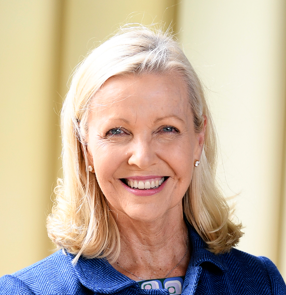
Friendly Schools began in 1999 at Curtin University, moved with the research team to Edith Cowan University from 2003, and was developed further by the team at The Kids Research Institute Australia from 2014. In 2025, iyarn became the exclusive worldwide distributor under licence. Emeritus Professor Donna Cross continues to oversee evidence updates.
- 23 high-quality school and community-based studies since 1999
- More than 40,000 participants
- Cyber Friendly Schools — world-first cyberbullying reduction RCT
- Friendly Schools program licensed by The Kids Research Institute Australia
Ready to bring it to your school?
$20, including GST. Eight whole-school components reviewed by your staff. A leadership-ready report the same day. No sales call required.
Start Map the Gap · $20 →
Evidence-based wellbeing for Australian schools. Built on 25+ years of research at The Kids Research Institute Australia.
Friendly Schools acknowledges the Whadjuk Noongar people as the traditional custodians of the land on which our work began, and pays respect to Elders past and present.